 | |
Culinary CornerDinna Davis The Allure of Black Trumpet Mushrooms – get your “Mushroom Eyes” ready! Black trumpet mushrooms have been long-celebrated in the culinary world for their rich flavor and elegant appearance. Often referred to as the “black chanterelle,” these mushrooms are in fact a distinct species but share a similar flavor profile with their golden cousins. Their deep, dark color—ranging from deep grayish-black to dark brown—and their hollow, trumpet-like shape make them easy to recognize once you’ve seen them in person. These mushrooms have a symbiotic relationship with trees, forming mycorrhizal connections with their roots. This makes them harder to cultivate commercially, which only adds to their allure. Foragers are finding these beauties now, especially in Mendocino. Because they blend in so well with their surroundings, especially among fallen leaves or forest debris, black trumpets are sometimes called “the ghost mushroom.” It’s not uncommon for foragers to miss them until they develop their “mushroom eyes” for their dark, wavy edges. Why Are They So Special? Black trumpet mushrooms are often regarded as one of the most flavorful mushrooms in the world. They have an earthy, rich flavor with deep, smoky undertones that can elevate any dish. Their delicate, hollow structure makes them an ideal choice for drying, as they retain their robust flavor even when dehydrated. While fresh black trumpets can be used in dishes like pastas, risottos, soups, and sauces, their dried form is especially prized by chefs. The dehydration process intensifies their flavor, making them a sought-after ingredient in gourmet kitchens around the globe. When rehydrated, they absorb liquids like broth or wine, which then infuses into whatever dish they are added to. Culinary Uses Black trumpet mushrooms are often paired with rich, savory ingredients, such as cream, butter, garlic, and wine. Their intense umami quality complements meats like beef, pork, and poultry, and they also pair wonderfully with vegetables and grains. Some cooks even use them to create mushroom broths or add depth to sauces. One popular method of preparation is sautéing them in butter with a pinch of salt and pepper, allowing the natural flavors to shine. They can also be added to a mushroom medley, combining their dark, smoky essence with lighter fungi like chanterelles or porcini. Like many other mushrooms, they are rich in antioxidants, vitamins (such as vitamin D and B-complex), and minerals. They also contain polysaccharides, which have been shown to possess immune-boosting properties. Their high fiber content makes them a great addition to a balanced diet. 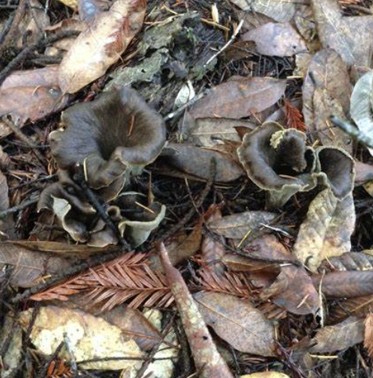 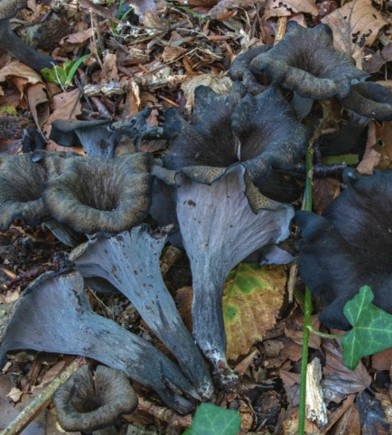 Keep foraging, keep creating, keep inspiring, keep cooking!
…….. February Culinary Group Dinner: Filipino Night (Ressie Teniente, Culinary Captain) Monday, February 3, 2025, 6:00 pm - 9:00 pm Bring a dish that is mushroom themed in presentation or ingredients (main dishes, side dishes, soups, salads, desserts). Arrive at 6:00 p.m., eating begins at 7:00 p.m. Registration is required, and the fee will be collected at the event. Please do not come if you are not feeling well, have any symptoms of Covid-19, or if you are not fully vaccinated against Covid-19. Location: Hall of Flowers, Golden Gate Park 9th and Lincoln San Francisco, California The MSSF Culinary Group is open to all MSSF members who are interested in the gastronomical aspects of mushrooming as a participatory cooking group. Gatherings are generally held on the first Monday of each month at 7 p.m. at the San Francisco County Fair Building (Hall of Flowers). Members of MSSF and the Culinary Group, and their guests, are invited to attend. MSSF Culinary Group The MSSF Culinary Group is open to all members interested in the gastronomical aspects of mushrooming. We meet on the first Monday of each month, with a few exceptions when a holiday falls on the first Monday, to enjoy each other’s company and have a delicious meal. The dinners are open to current members of MSSF and the Culinary Group, and their guests. We are united in our love of cooking as well as our love of mushrooms. All participants contribute, either as part of the team that prepares the dinner, or by bringing an appetizer to share. Traditionally, the dinners have been designed to take advantage of the wild mushrooms available, as well as the best and freshest food of the season. The menus are centered on mushrooms, ethnic foods, a particular main ingredient, or a holiday near the time of the dinner. Each dinner is led by a “captain” who sets the menu and organizes volunteers to cook the dishes, as well as handle setup and cleanup. The Culinary Group is a participatory cooking group. It’s an opportunity to practice your skills and to learn from more experienced cooks. We also help with special events such as teh Fungus Fair, and snack for the general meeting. To be part of the fun and food, here are the practicalities:
| |
| Mycena Newsletter - February 2025 |
